

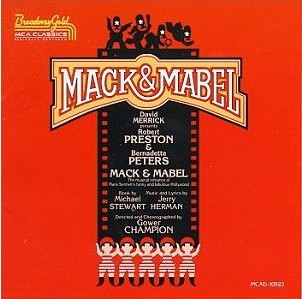
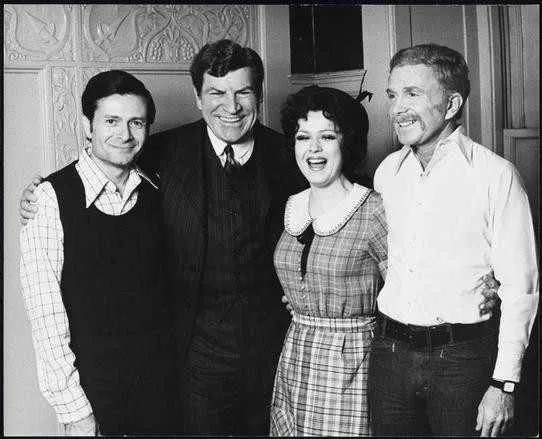
Performed by Mabel Normand as she reflects on lost love and the passage of time, “Time Heals Everything” is a beautifully restrained torch song that captures both heartbreak and hard-won wisdom. With Jerry Herman’s signature melodic warmth and honest, bittersweet lyrics, the song becomes a quiet anthem of resilience. Originally introduced by Bernadette Peters in the 1974 production, it remains one of the most beloved and frequently performed numbers from the show.
His most popular songs include:
| Song Title | From | Notable Award / Achievement |
|---|---|---|
| Hello, Dolly! | Hello, Dolly! (1964) | Grammy Song of the Year |
| I Am What I Am | La Cage aux Folles (1983) | Tony Award-winning score |
| Put on Your Sunday Clothes | Hello, Dolly! (1964) | Iconic ensemble classic |
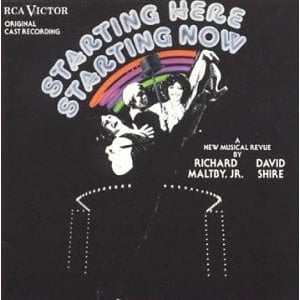
Written by the legendary songwriting team of composer David Shire and lyricist Richard Maltby Jr., who met at Yale and have collaborated for over seventy years. As of 2026, both men are 88 years old and still actively creating — they recently premiered their new revue About Time.
Between the two of them they have been highly accoladed:
Their decades-long partnership has produced some of the most intelligent and heartfelt songs in modern musical theater.

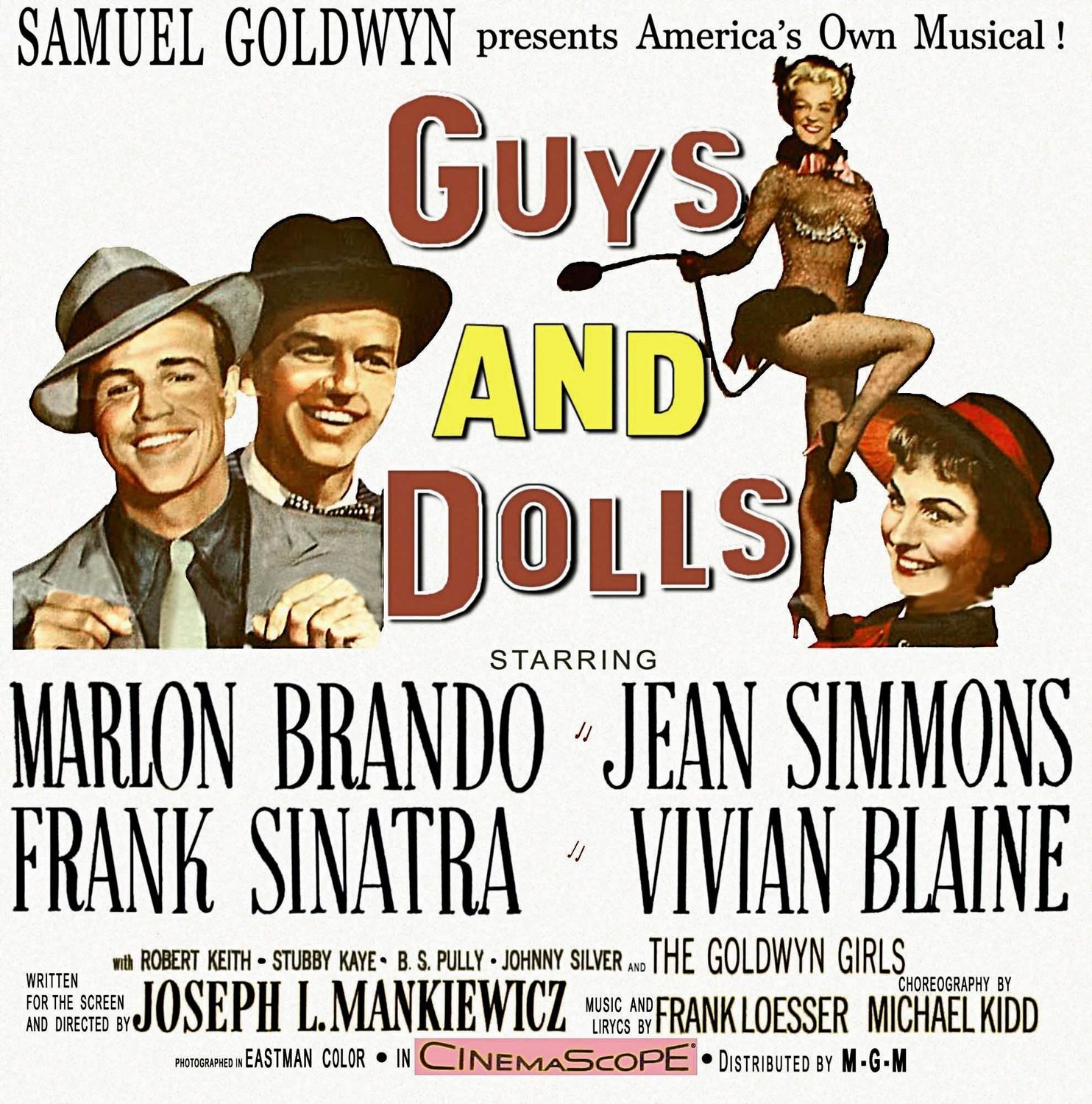
After a wild night in Havana, the straitlaced missionary Sarah Brown realizes she’s falling for the suave gambler Sky Masterson. She sings “If I Were A Bell” — a playful, swinging declaration of newfound love filled with clever wordplay and infectious rhythm. Written by Frank Loesser (music & lyrics), it has become one of the most beloved and frequently performed songs from the 1950 classic Broadway musical.
His most popular songs include:
| Song Title | From | Notable Award / Achievement |
|---|---|---|
| If I Were a Bell | Guys and Dolls (1950) | Jazz standard, iconic from the show |
| Luck Be a Lady | Guys and Dolls (1950) | Signature showstopper |
| Sit Down, You're Rockin' the Boat | Guys and Dolls (1950) | Tony Award-winning Best Musical |
| I Believe in You | How to Succeed in Business Without Really Trying (1961) | Pulitzer Prize-winning score |

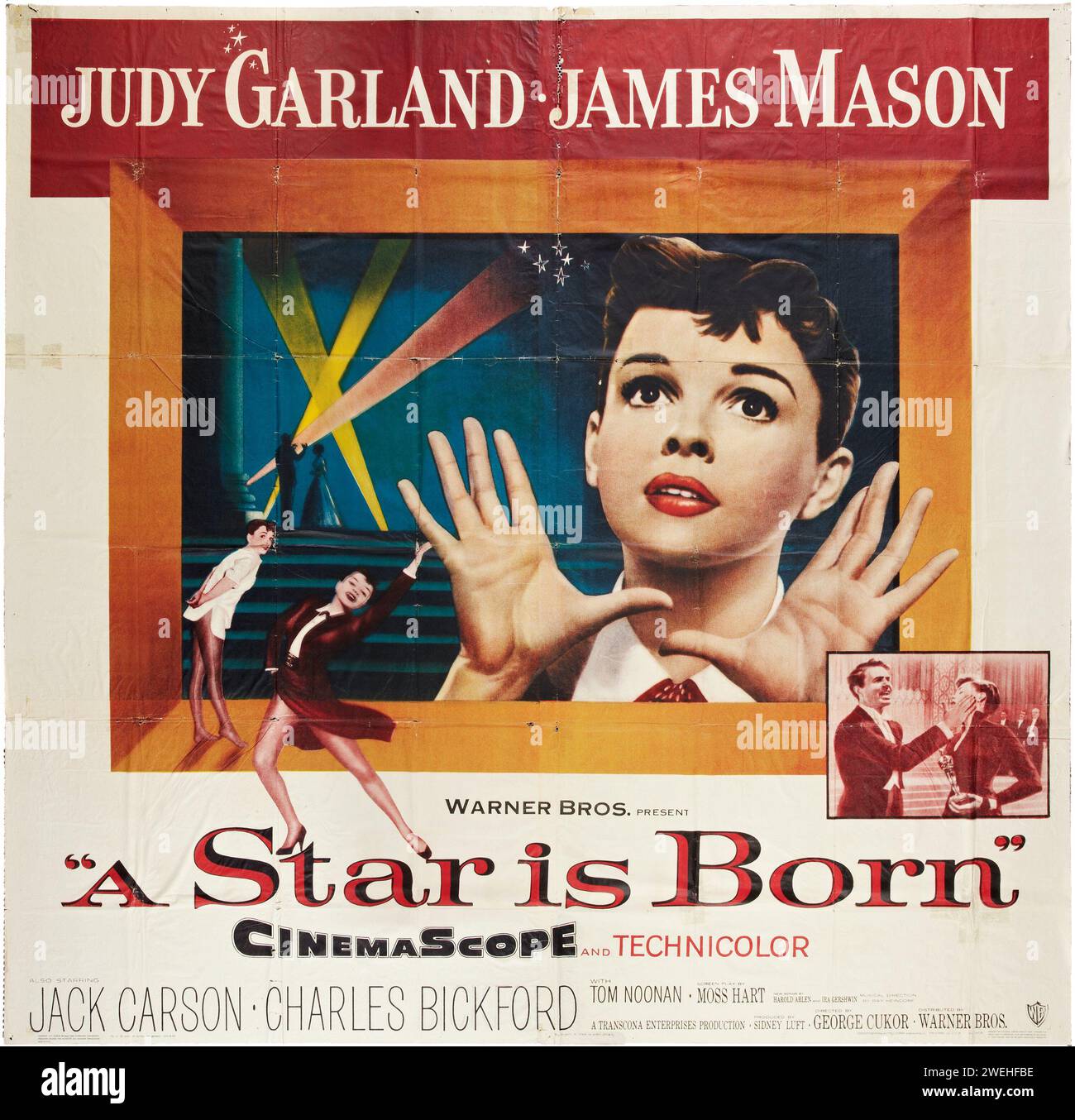
Harold Arlen and Ira Gershwin wrote “The Man That Got Away” (often performed as “The Gal That Got Away” by male vocalists) specifically with Judy Garland in mind for the classic 1954 musical drama A Star Is Born. Arlen, who had already given Garland her signature song “Over the Rainbow,” crafted a powerful, bluesy torch song tailored to her extraordinary vocal range and emotional depth. It is widely regarded as one of the greatest torch songs in the American Songbook — a dramatic, jazz-inflected lament with Arlen’s rich melody and Ira Gershwin’s poignant, heartfelt lyrics.


Young Annie sings “Maybe” while sitting on her bed in the orphanage, dreaming about the parents who left her there years earlier. With simple, heartfelt lyrics and a gently rising melody, the song captures a child’s resilient optimism and longing. Written by Charles Strouse (music) and Martin Charnin (lyrics), it became one of the most iconic numbers from the 1977 Tony Award-winning musical.
Both writers had successes beyond Annie:

This wry, honest ballad comes from Jerry Herman’s 1974 Broadway musical Mack & Mabel. Originally performed by Robert Preston as Mack Sennett, the song is a backhanded declaration of love to Mabel Normand. Mack admits he’s not the flowers-and-romance type — he’s too driven, too rough around the edges — yet in his own gruff way, he’s completely smitten. It’s one of Herman’s most character-driven numbers, blending his signature melodic warmth with sharp, unsentimental lyrics.
Notable recordings include Robert Preston’s definitive original (from the 1974 cast album), as well as strong covers by Michael Feinstein, Brian Stokes Mitchell, Robert Goulet, and Leslie Uggams.
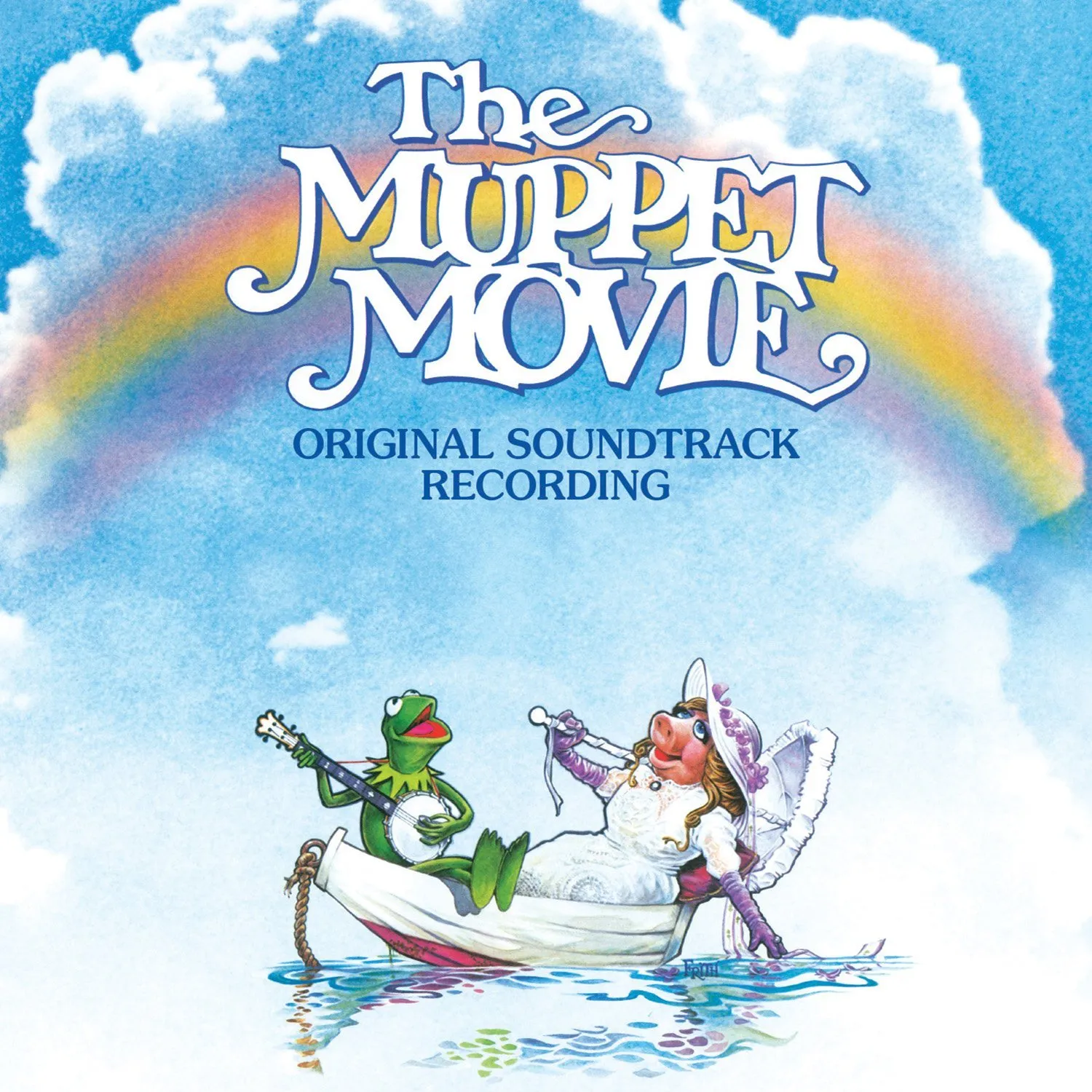
This heartfelt ballad from the 1979 Muppet Movie was originally sung by Gonzo as he sits by a campfire accompanied by Fozzy the Bear on Guitar and Rowlf the Dog on Harmonica, wistfully looking back on the path that led him to his friends and his dreams. Written by Paul Williams and Kenny Ascher (the same team behind “Rainbow Connection”), the song captures that quiet, reflective moment every dreamer has — wondering if they’ll ever find their way back to where it all began.
Beyond The Muppet Movie, the songwriting duo had several other successes:


This deceptively simple ballad, written in 1987, comes from the elite songwriting triumvirate of Johnny Mandel and the Bergmans — creators of standards like “The Shadow of Your Smile,” “Windmills of Your Mind,” and “How Do You Keep the Music Playing?” It first appeared on Michael Feinstein’s 1988 album Isn’t It Romantic? and has since been recorded by artists including Shirley Horn, Tony Bennett, and others who appreciate its quiet emotional depth.


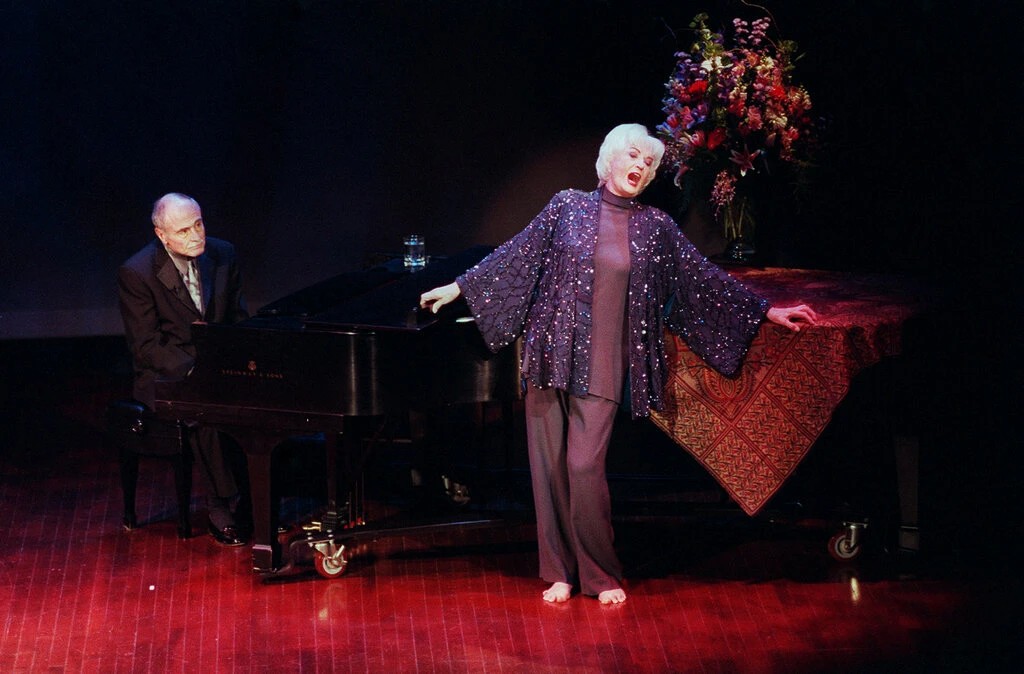
In the 1978 Broadway musical Ballroom, widow Bea Asher (originally played by Dorothy Loudon) comes to terms with her bittersweet romance with a married man in the powerful torch song “Fifty Percent.” With music by Billy Goldenberg and lyrics by the legendary team of Alan and Marilyn Bergman, the song is a raw, emotionally honest acceptance that she would rather have fifty percent of the man she loves than all of anyone else.
The number became the show’s most famous and enduring song, later recorded by artists including Barbra Streisand, Bea Arthur, and Helen Reddy.
Ballroom (1978) was directed and choreographed by Michael Bennett and based on the 1975 TV movie Queen of the Stardust Ballroom.
Some of Billy Goldbeberg's works: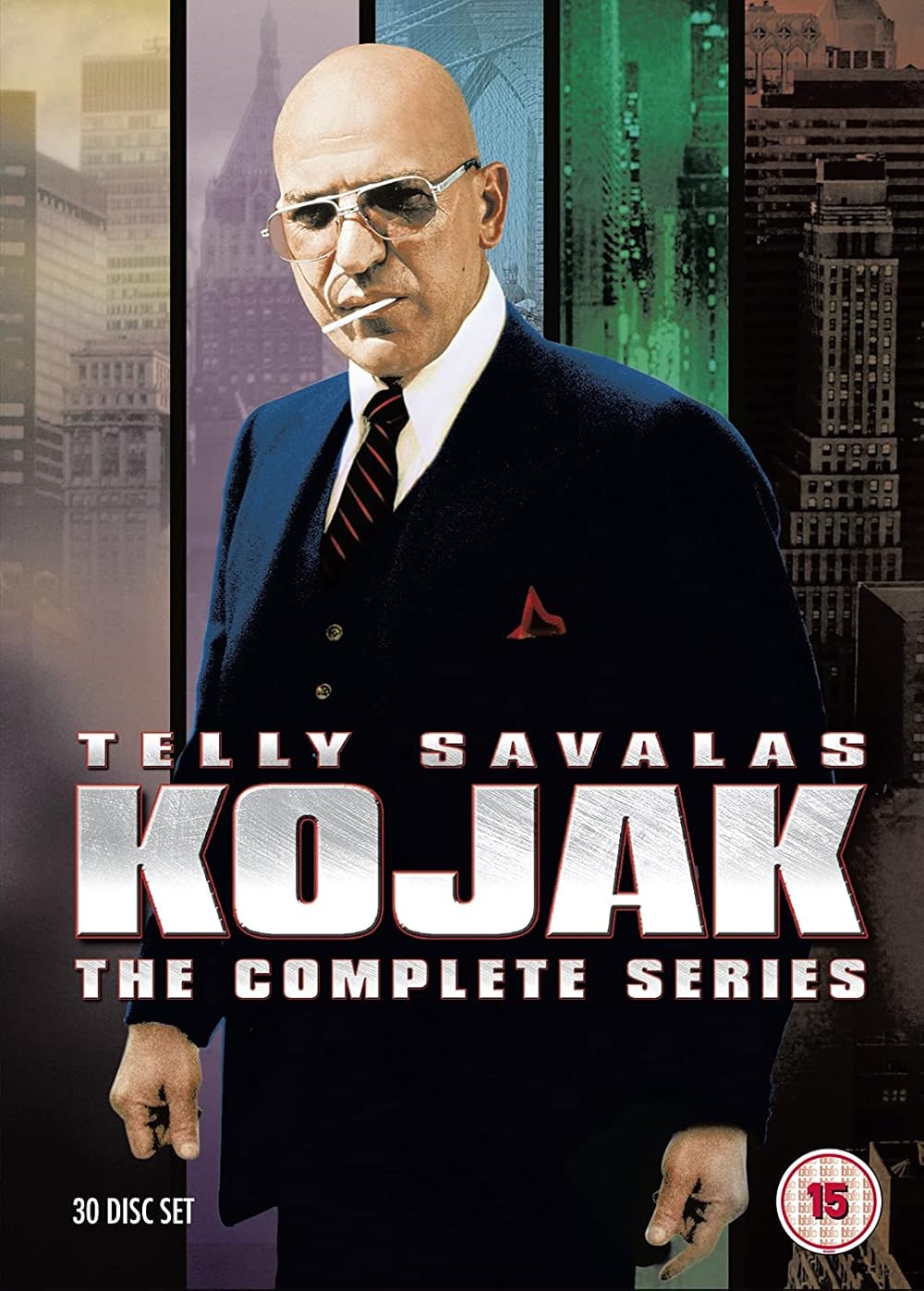

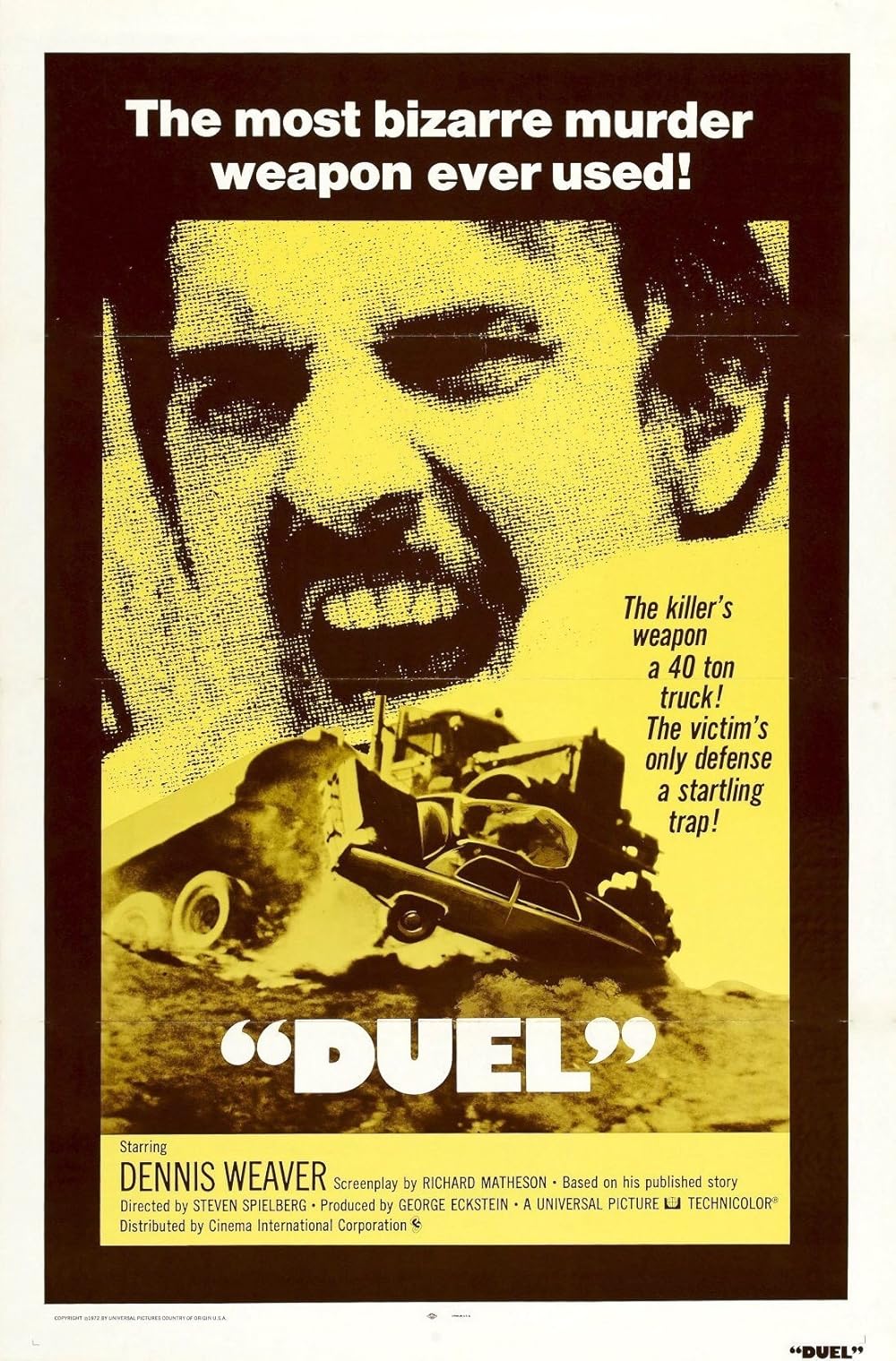
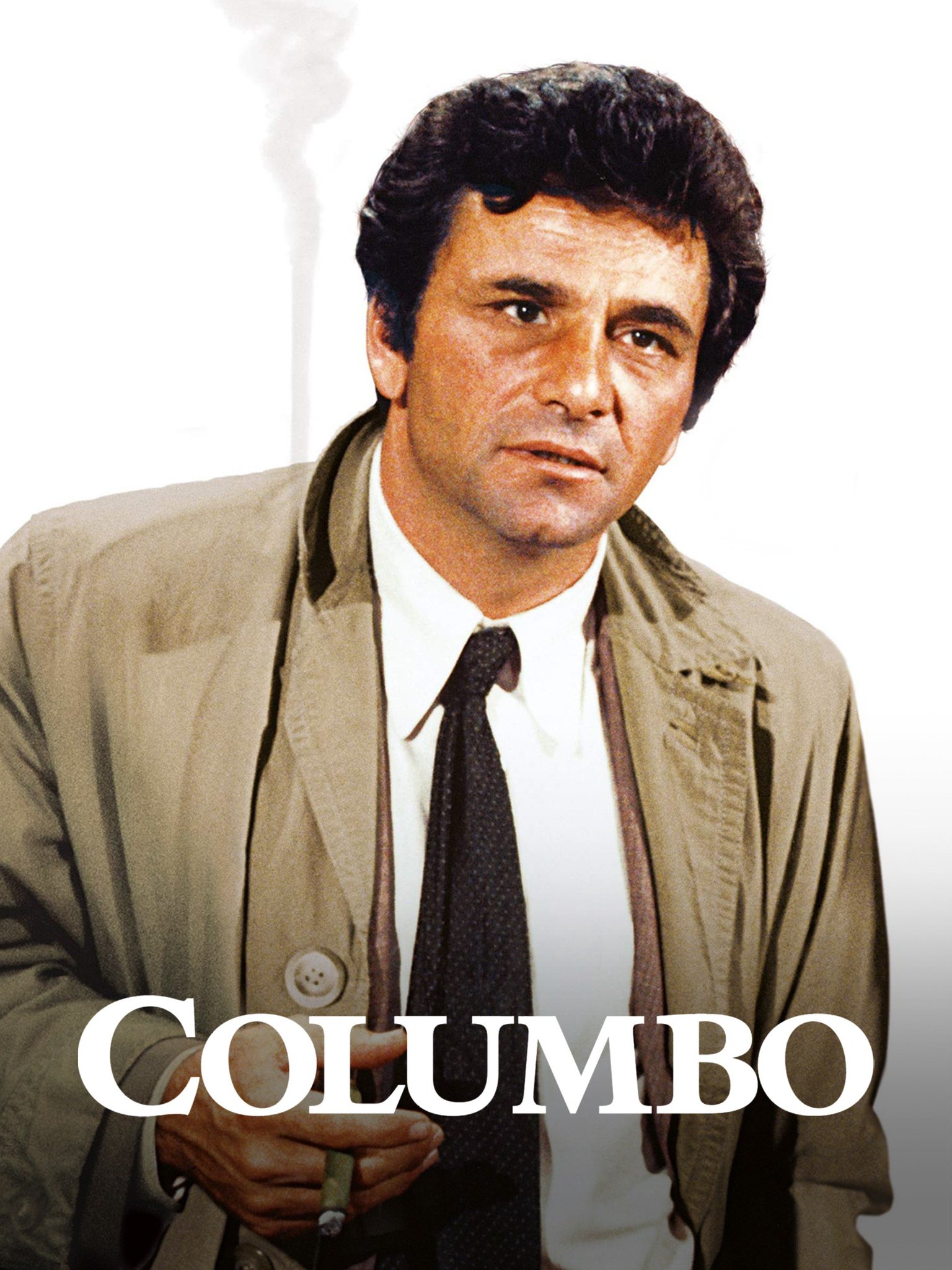


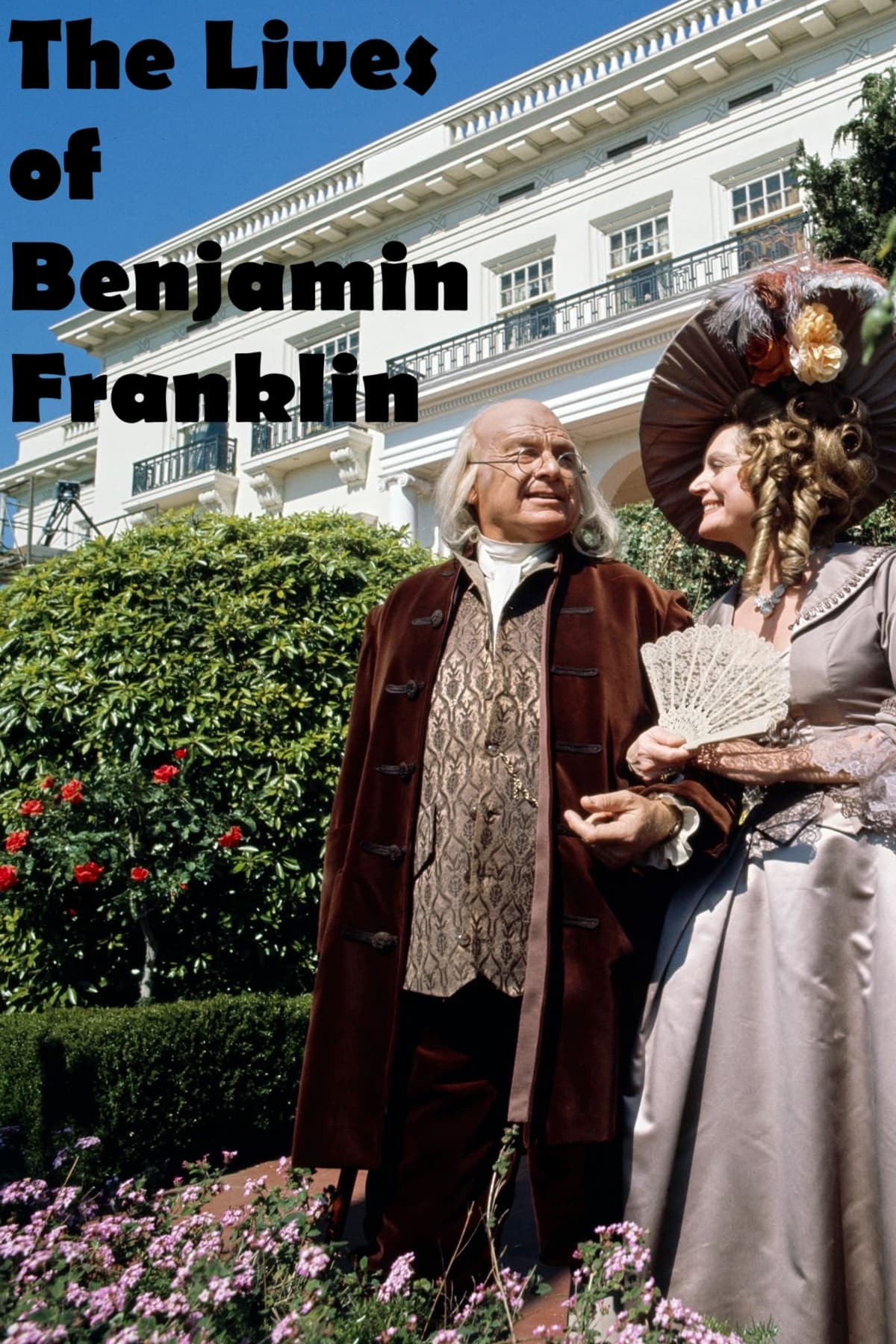
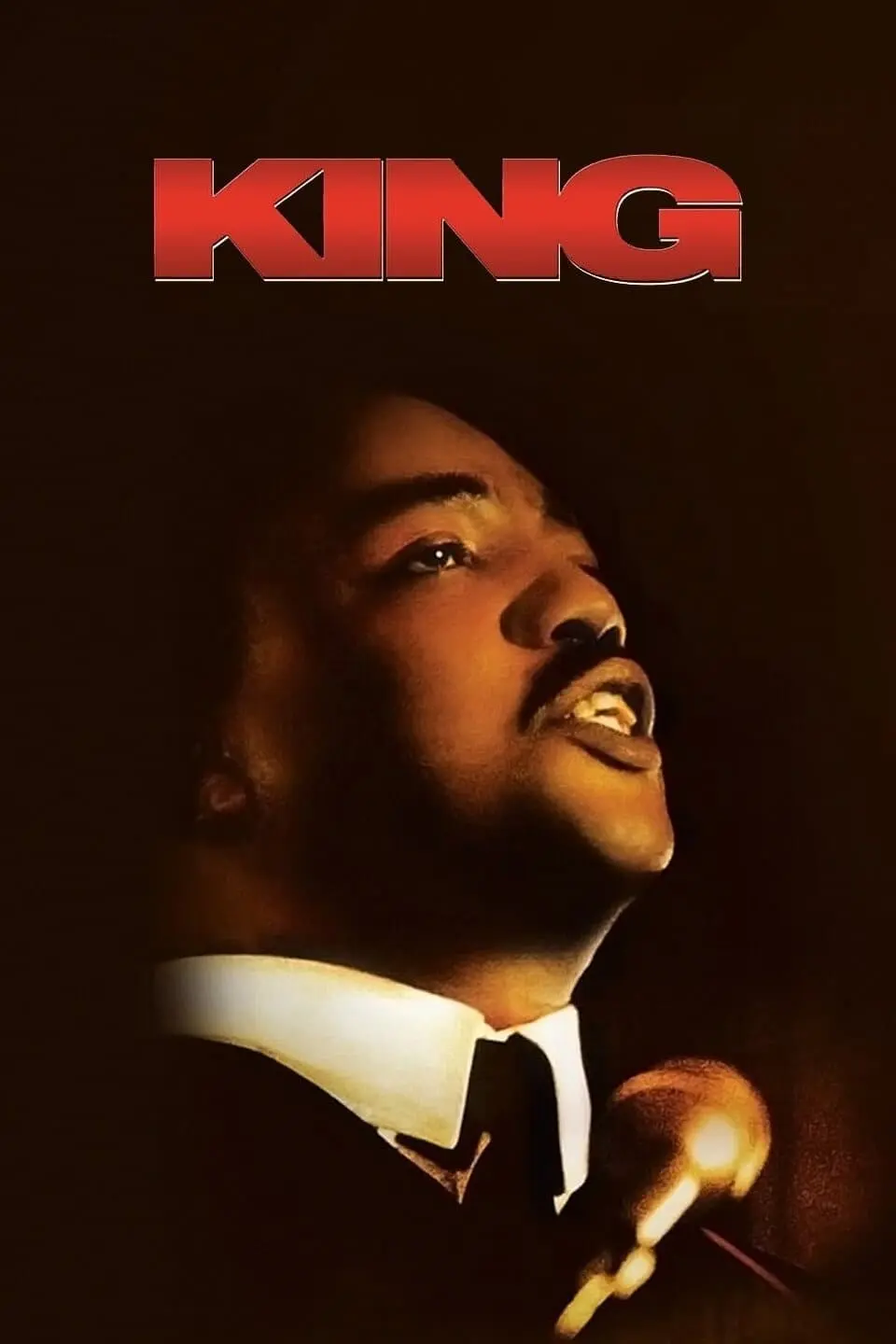
If you've never heard of Billy Goldenberg, you're very likely to have heard his numerous contributions to film and television such as the iconic themes for Kojak and Rhoda, the groundbreaking score for Steven Spielberg’s tense 1971 TV movie Duel, music for multiple Columbo episodes and pilots, the unsettling pilot for Night Gallery, and acclaimed scores for projects like Helter Skelter, The Lives of Benjamin Franklin, and King (for which he won multiple Emmys).


Young sailor Anthony Hope falls instantly and hopelessly in love with Johanna Barker, the beautiful, imprisoned ward of the tyrannical Judge Turpin. “Johanna” is his rapturous declaration of that love — a soaring, lyrical ballad filled with yearning and determination. Written by Stephen Sondheim (music and lyrics), it stands as one of the most purely romantic and melodically beautiful songs in the entire darkly comic masterpiece Sweeney Todd: The Demon Barber of Fleet Street (1979).
"Sweeney Todd: The Demon Barber of Fleet Street" won Best Motion Picture (musical or comedy), and "Atonement" was something of an upset for Best Picture (drama), beating "No Country for Old Men" and "There Will Be Blood."

Stephen Sondheim’s most acclaimed works include:
| Show | Year | Notable Achievement |
|---|---|---|
| Company | 1970 | Revolutionized the concept musical |
| A Little Night Music | 1973 | “Send in the Clowns” — Grammy & Tony winner |
| Sweeney Todd | 1979 | Tony Award-winning Best Musical & Score |
| Into the Woods | 1987 | Cultural phenomenon |
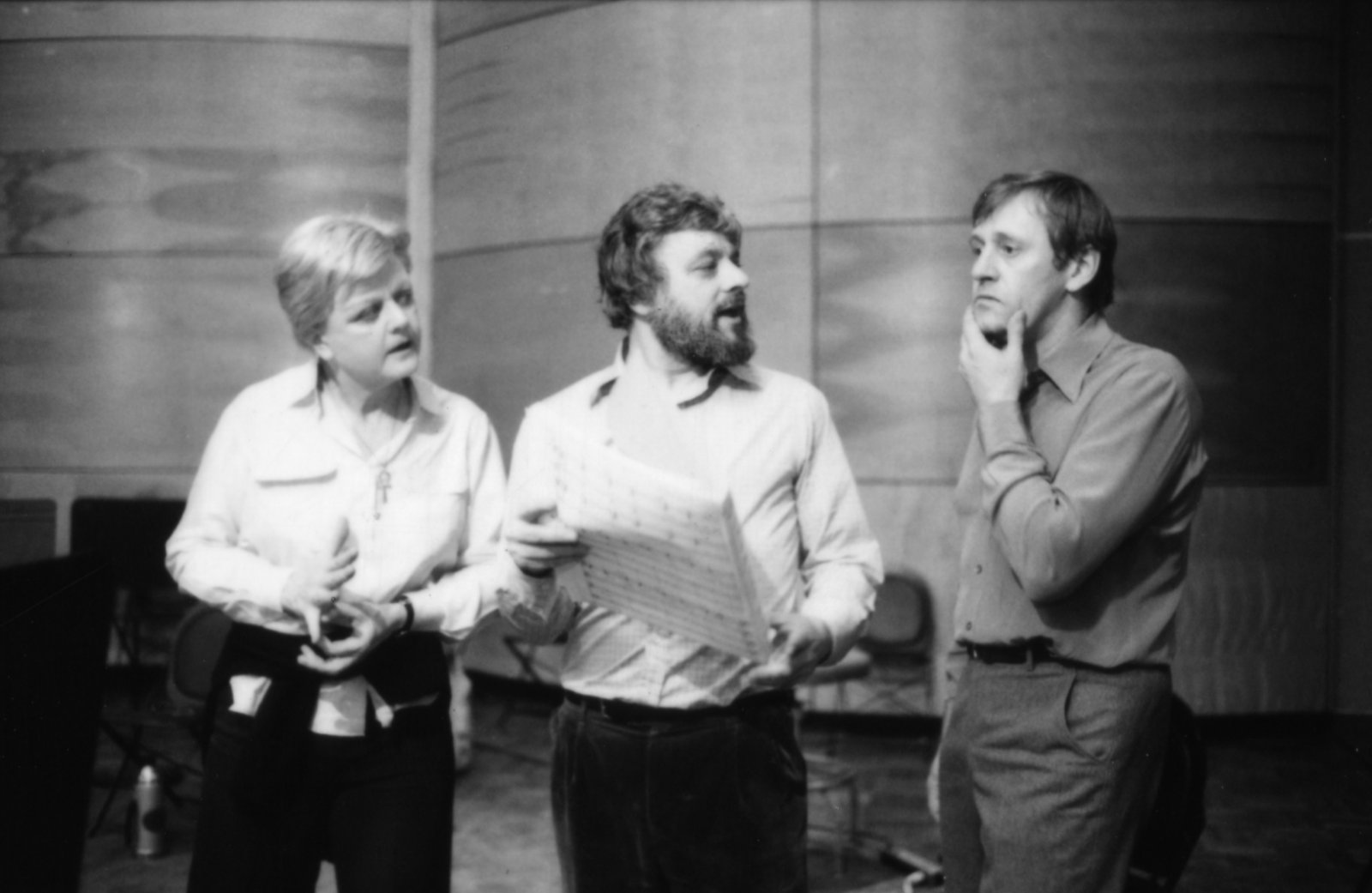
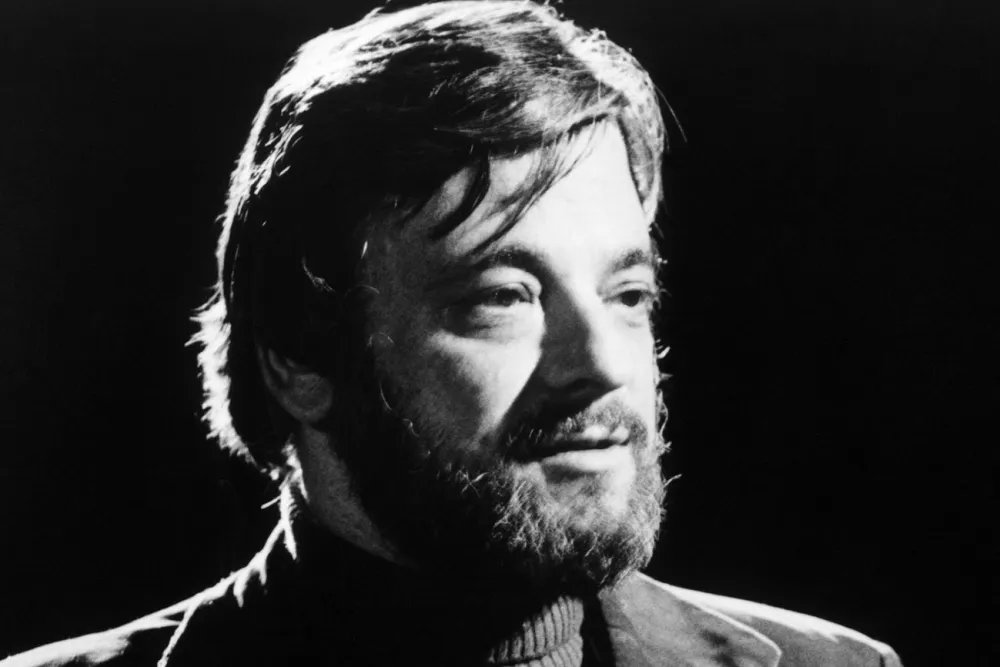
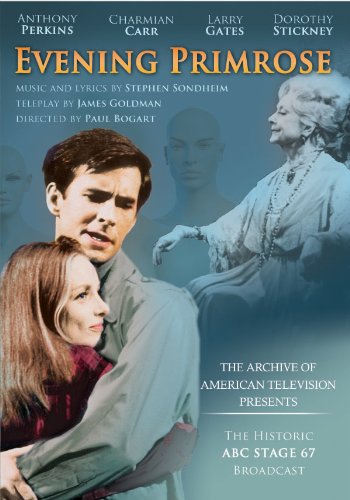
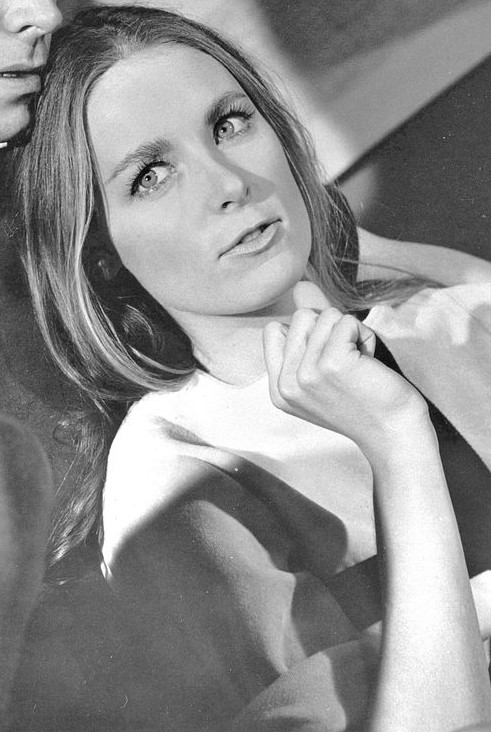
In the 1966 made-for-TV musical Evening Primrose, a young woman named Ella (who has lived hidden inside a department store since childhood) sings the wistful “I Remember.” With deceptively simple lyrics and a haunting, delicate melody, the song captures her fragmented memories of the outside world — sky, snow, flowers, and days — that have grown distant and dreamlike. Written by Stephen Sondheim (music and lyrics), it is one of the most tenderly poignant and frequently performed gems from his lesser-known television score.
The entire Evening Primrose project (book by James Goldman) was written quickly because Goldman needed money for his growing family’s rent. Sondheim composed “I Remember” literally overnight to help his friend and collaborator — a testament to his extraordinary speed and craftsmanship even under pressure.
James Goldman (1927–1998) was an American playwright, screenwriter, and novelist best known for his sharp, intelligent writing and his collaborations with Stephen Sondheim.
Major works and achievements include:
| Work | Year | Notable Achievement |
|---|---|---|
| The Lion in Winter | 1966 / 1968 | Academy Award for Best Adapted Screenplay |
| Follies | 1971 | Tony Award nomination for Best Book of a Musical (with Stephen Sondheim) |
| Evening Primrose | 1966 | Television musical with Stephen Sondheim |
| They Might Be Giants | 1961 / 1971 | Play and later film starring George C. Scott and Joanne Woodward |
| Nicholas and Alexandra | 1971 | Academy Award-nominated screenplay |


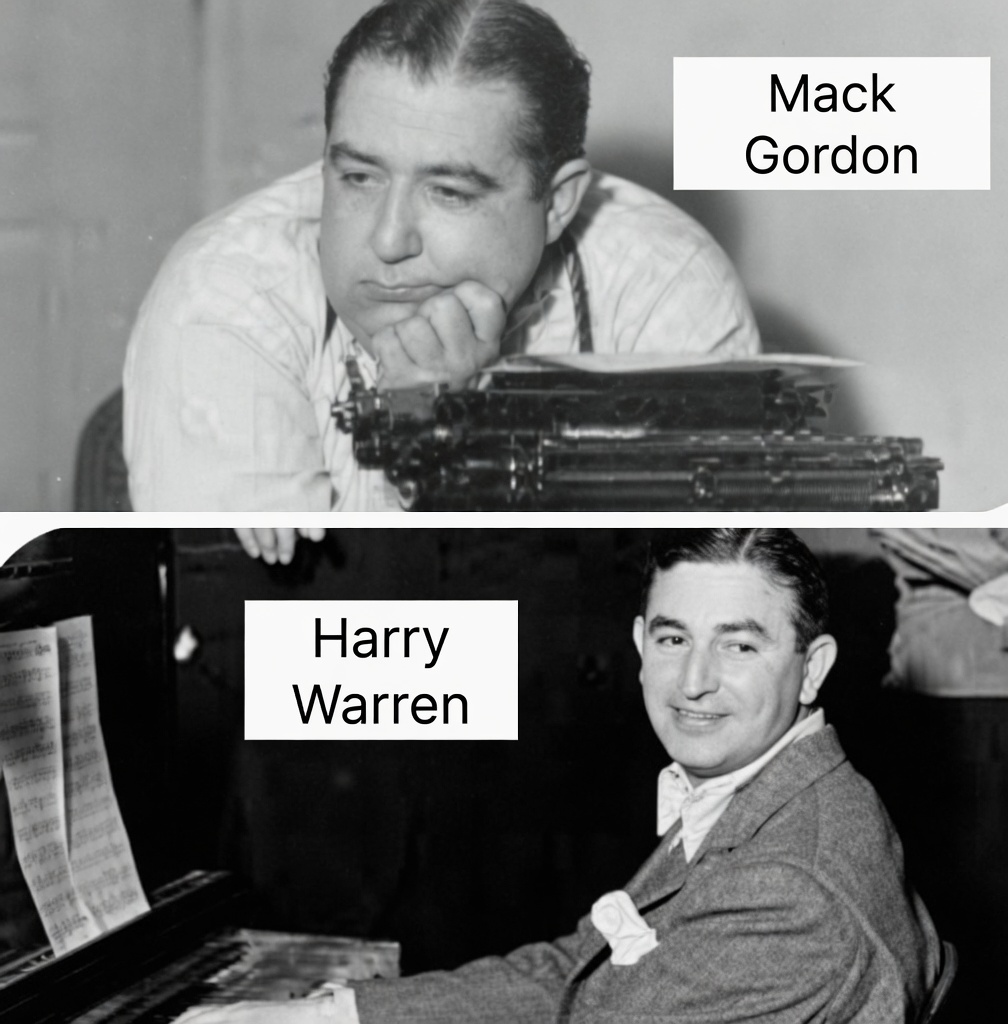
One of the great standards of the American Songbook, “You’ll Never Know” (sometimes subtitled “Just How Much I Love You”) was written by composer Harry Warren and lyricist Mack Gordon. It was introduced by Alice Faye in the 1943 20th Century Fox musical Hello, Frisco, Hello, where it became an instant hit and won the **Academy Award for Best Original Song**.
A heartfelt, romantic ballad with a sweeping melody and sincere lyrics, the song perfectly captured the emotions of wartime separation and enduring love. It became a major hit for artists including Frank Sinatra, Dick Haymes (whose recording topped the charts), and Vera Lynn (popular in Britain during WWII). Alice Faye’s performance remains the definitive cinematic version.
Harry Warren and Mack Gordon formed one of Hollywood’s most successful songwriting teams in the 1940s, creating numerous hits including “Chattanooga Choo Choo,” “At Last,” and “The More I See You.” Warren is one of the most decorated film composers in history with three Oscar wins; Gordon was nominated for nine Academy Awards.

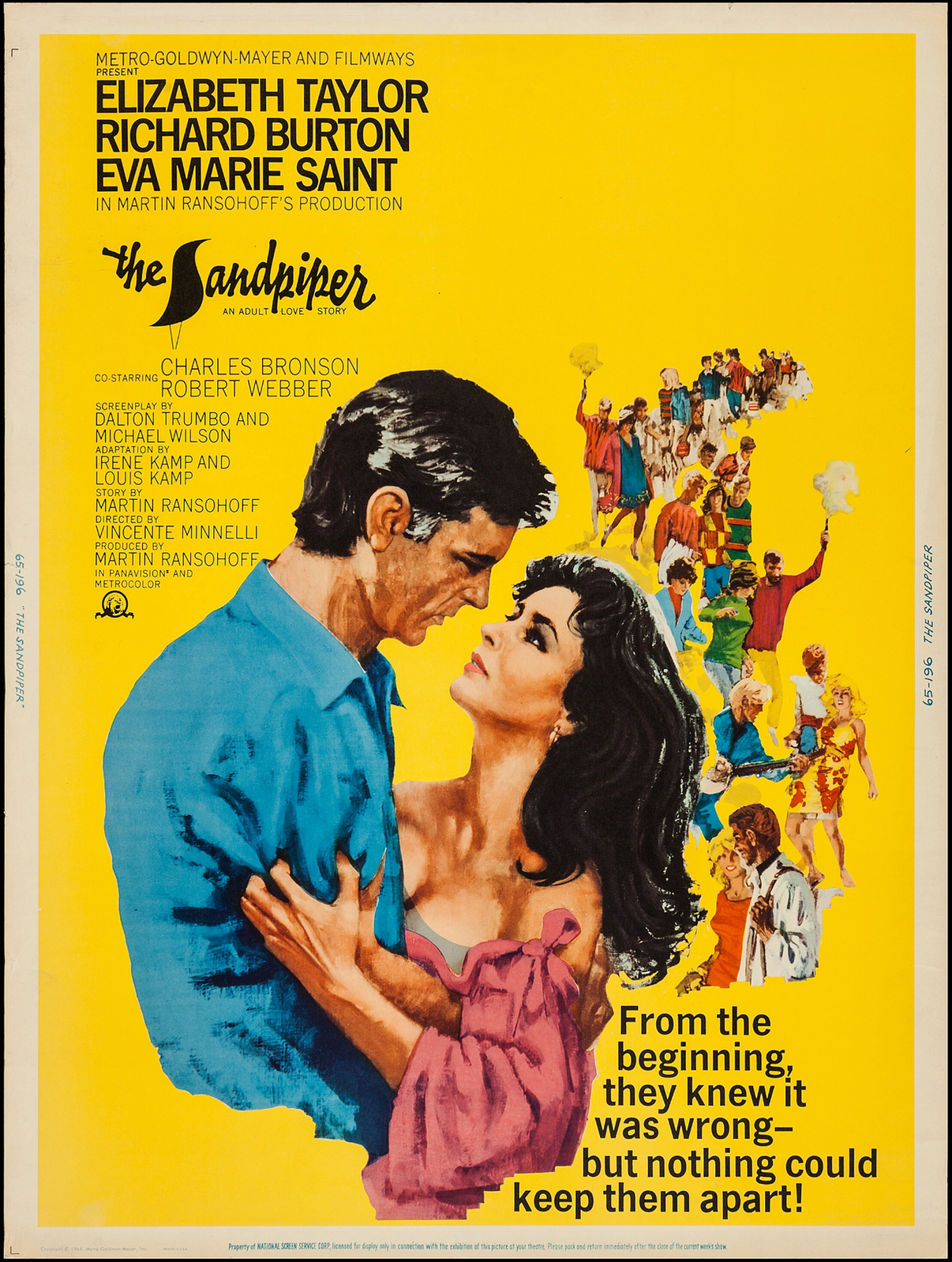
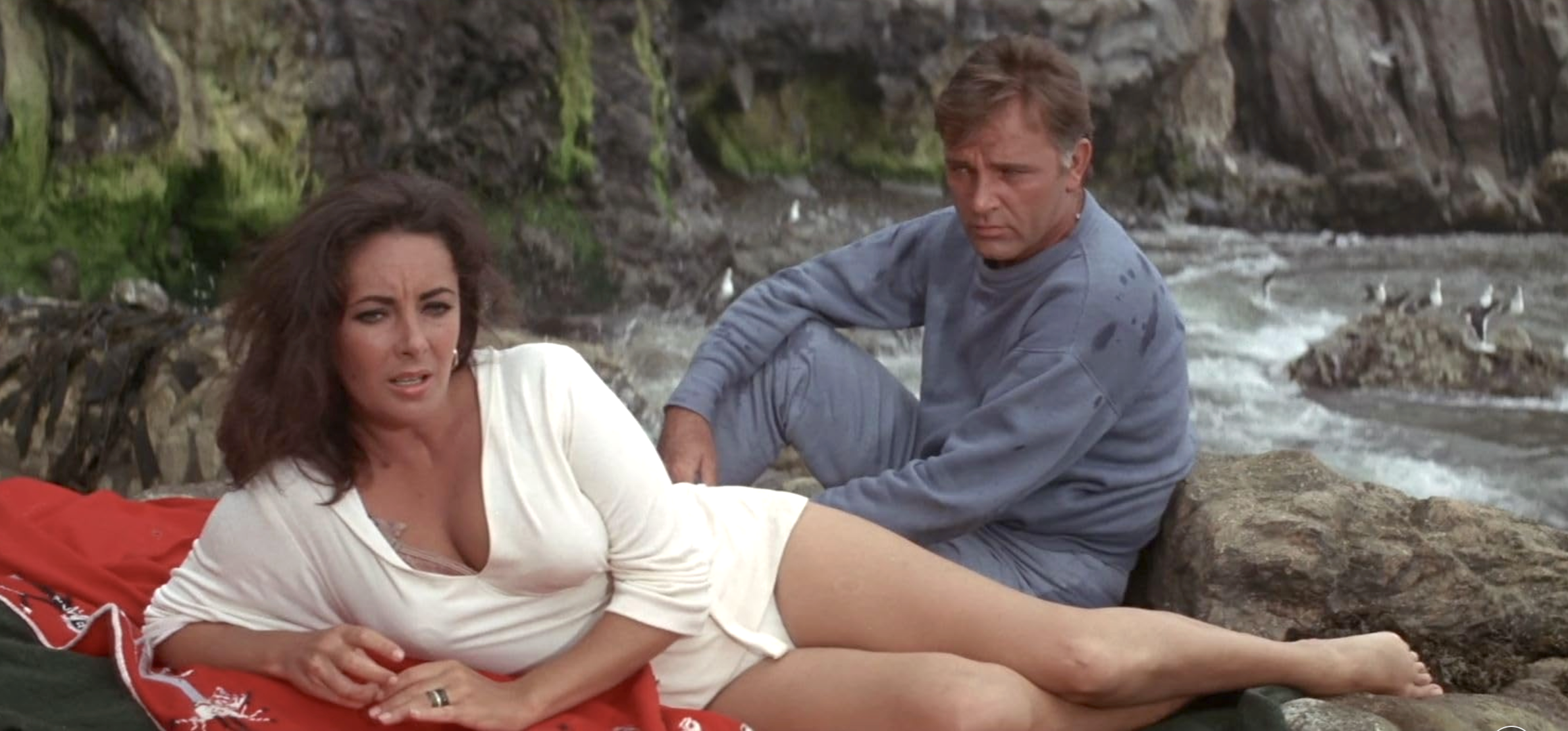
One of the most beloved jazz standards of all time, “The Shadow of Your Smile” was written by composer Johnny Mandel and lyricist Paul Francis Webster for the 1965 film The Sandpiper, starring Elizabeth Taylor and Richard Burton. Originally performed by Tony Bennett on the soundtrack, the song perfectly captures a bittersweet, wistful longing — the lingering presence of a lost love. It won the Academy Award for Best Original Song in 1966 and has since become a signature piece for countless jazz and pop artists.
Johnny Mandel and the Bergmans (who appear elsewhere on this album) are responsible for several other standards including “Where Do You Start,” “The Windmills of Your Mind,” and “How Do You Keep the Music Playing?”
Paul Francis Webster was one of Hollywood’s most successful lyricists, writing the words to more than 1,500 songs and earning three Academy Awards (plus 16 nominations total).
His most notable Oscar-winning songs include:
| Song Title | From | Notable Award / Achievement |
|---|---|---|
| The Shadow of Your Smile | The Sandpiper (1965) | Academy Award for Best Original Song |
| Secret Love | Calamity Jane (1953) | Academy Award for Best Original Song |
| Love Is a Many-Splendored Thing | Love Is a Many-Splendored Thing (1955) | Academy Award for Best Original Song |
| A Time for Love | An American Dream (1966) | Academy Award nomination |
| Spider-Man Theme | 1967 Animated Series | 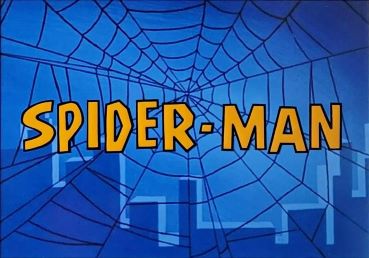 Iconic TV theme |
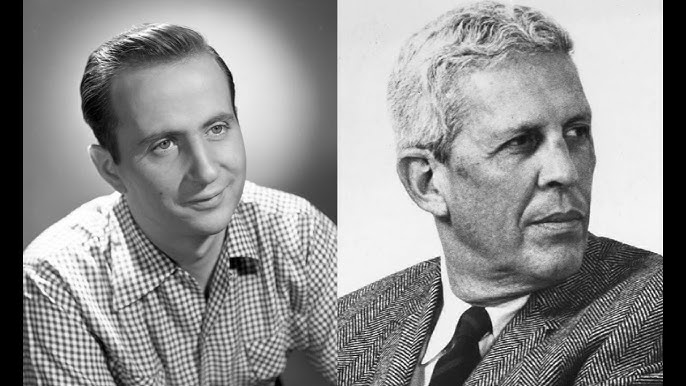

One of the most powerful torch songs in musical theatre history, “Maybe This Time” is sung by Sally Bowles as she desperately clings to the hope that her tumultuous relationship with the writer Cliff Bradshaw will finally work out. With raw emotion, soaring vocals, and heartbreaking vulnerability, the song perfectly captures Sally’s mix of optimism and fragility.
Written by the legendary team of John Kander (music) and Fred Ebb (lyrics), “Maybe This Time” was added for the 1972 film version (famously performed by Liza Minnelli) and has since become a standard in the stage production of Cabaret as well. It remains one of the most emotionally devastating and beloved numbers from the show.
Kander and Ebb’s major works and achievements include:
| Show | Year | Notable Award / Achievement |
|---|---|---|
| Cabaret | 1966 | Tony Award – Best Musical & Best Score |
| Chicago | 1975 | 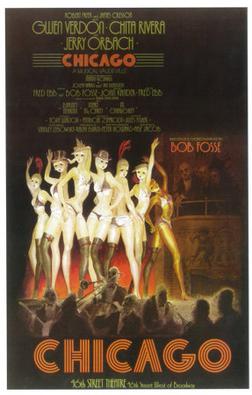 Longest-running Broadway revival in history |
| Woman of the Year | 1981 | Tony Award – Best Score |
| Kiss of the Spider Woman | 1993 | Tony Award – Best Musical & Best Score |
| Flora the Red Menace | 1965 | Liza Minnelli’s Broadway debut |
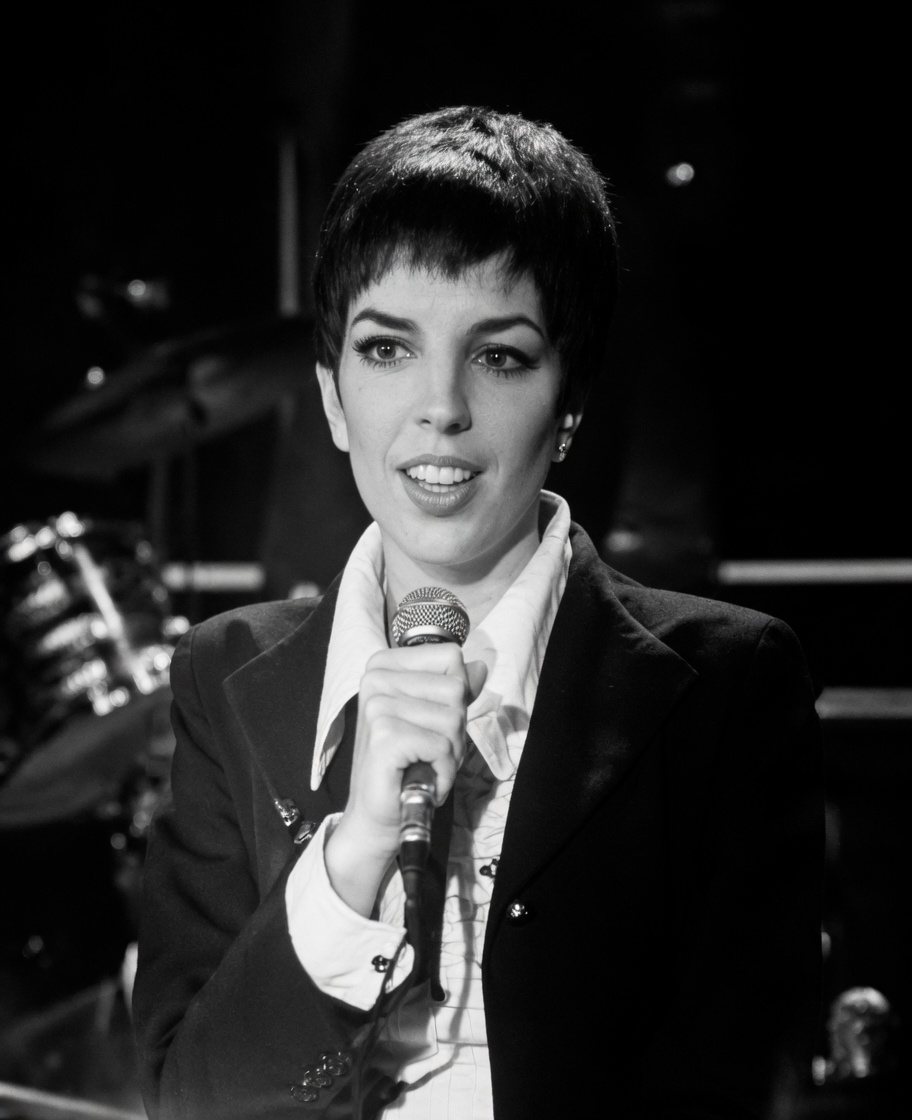

Now Playing: Marty Sings Broadway and Show Tunes